 Chicago
Al Capone really did live at the Lexington Hotel, 2135 S. Michigan Avenue — the building Geraldo Rivera cracked open live on national television in 1986 looking for a hidden vault, found nothing but dirt and a couple of empty bottles, and still pulled one of the highest-rated syndicated specials of the decade. When Brian De Palma's The Untouchables came out the following year, the Lexington was still standing. The production never went near it.
Instead, the movie builds its entire Prohibition-era Chicago out of a handful of real downtown buildings, each one standing in for somewhere else — sometimes more than once. The most famous scene in the movie is also a direct homage to a Soviet silent film from 1925. Here's the real geography underneath all of it.
A Staircase, Borrowed From a Soviet Silent Film
The baby-carriage shootout — Ness and the carriage bouncing down the steps in slow motion while gunfire breaks out around it — is staged on the real grand staircase at Chicago's Union Station, running up from street level into the Great Hall. De Palma has never hidden where the idea came from: it's a direct, acknowledged homage to the Odessa Steps sequence in Sergei Eisenstein's Battleship Potemkin (1925), one of the most studied scenes in film history, relocated from a hospital staircase in revolutionary Odessa to a train station in Prohibition Chicago.
Still there: The staircase needed a real renovation decades later — a reported $2.2 million restoration that also fixed up an identical staircase on the station's north side. Both are still functioning parts of a working train station today, not a preserved movie set.
One Hotel, Played by Three Different Buildings
Capone's actual home base, the Lexington Hotel, doesn't appear in the movie at all — it was still standing in 1987, two miles south on Michigan Avenue, and would stand for another eight years before being demolished in 1995. In its place, the production spread "the Lexington" across several real buildings. Roosevelt University's building at 430 S Michigan Avenue plays the hotel's exterior, and most location research also points to its lobby and grand staircase as the setting for Ness's confrontation with Capone. A few blocks south, the Blackstone Hotel hosts the movie's "teamwork" pep talk — Connery's character swinging a baseball bat to make a point about how the Untouchables are going to operate.
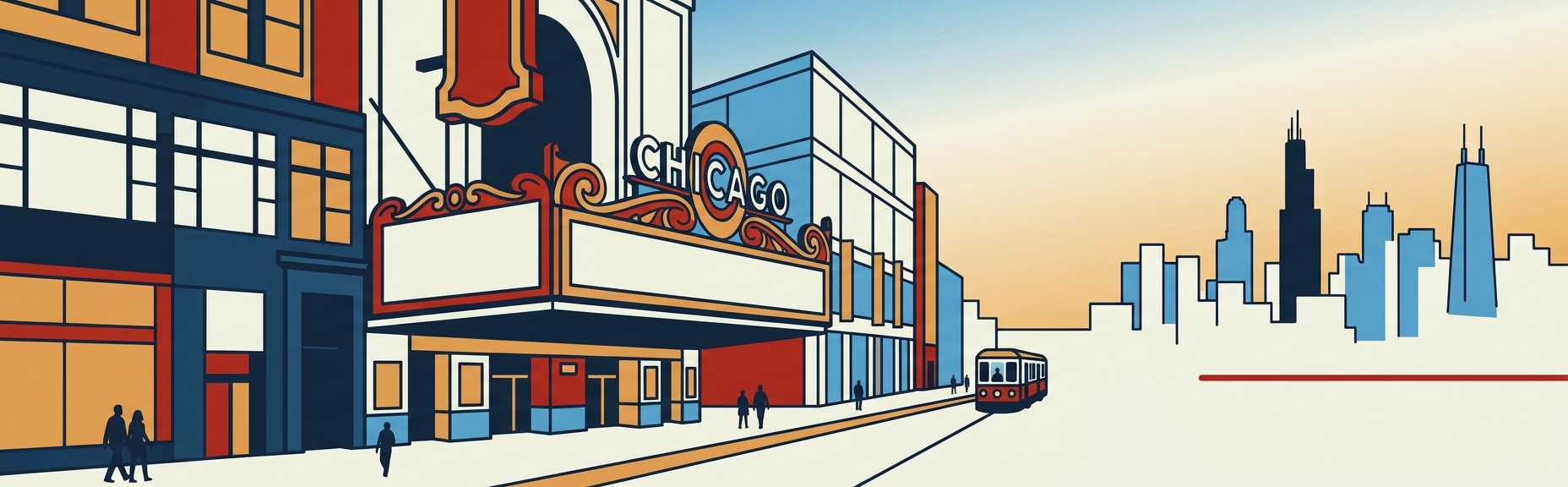
Least certain: Some location guides place the interior of Capone's actual hotel suite at the Chicago Theatre instead — that attribution shows up consistently enough to mention, but it's sourced less solidly than the Roosevelt and Blackstone locations, so take it as the most likely answer rather than a settled one.
One Civic Building, at Least Three Different Scenes
The Chicago Cultural Center does more quiet heavy lifting in this movie than any other single building. Its Grand Staircase is where Capone holds court with the press. Its opera-house-style hall doubles as the opera Capone is attending when he gets word of a problem. Its exterior plays the courthouse where Frank Nitti is frisked on the steps — and, per the same set of location records, its roof is where Nitti ends up thrown from later in the film. One real Chicago landmark, cast as four different places in the same movie, and most people watching never notice it's the same building twice.
The Walk-and-Talk, on a Real Bridge
Ness gets his real education in how Chicago policing actually works from Sean Connery's Malone on the pedestrian deck of the Michigan Avenue Bridge — officially the DuSable Bridge today — a functioning double-decked bridge over the Chicago River that still carries both car and foot traffic every day. Unlike almost everything else in this movie, what you see on screen is simply what's there.
The hotel Capone actually lived in was still standing when this movie was made. It just isn't in it.
What We're Not Pinning
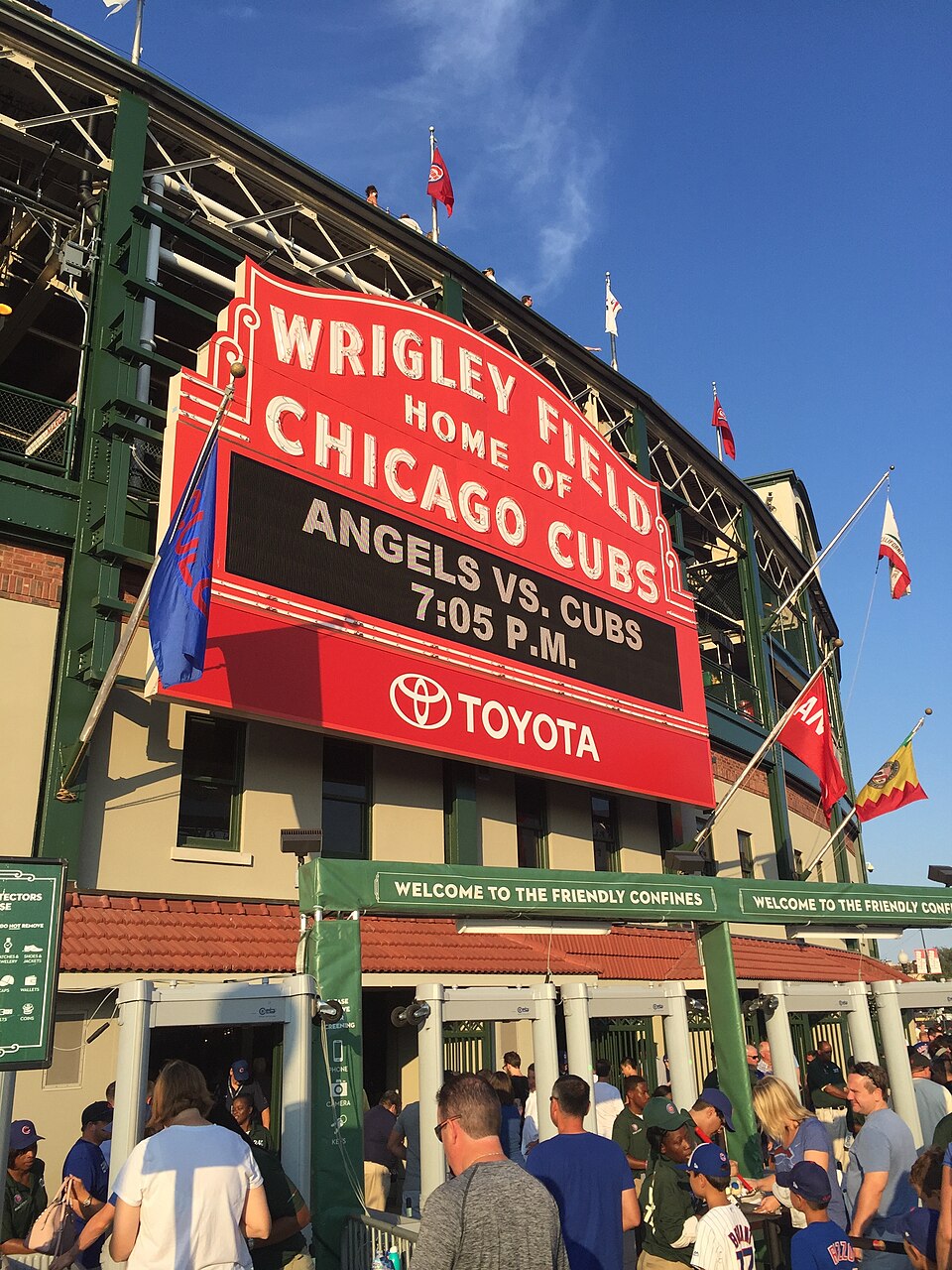
A handful of the film's rural and action sequences — including a bridge shootout — were shot in Montana, not Illinois, which is a fair reminder that not everything that reads as "Chicago" in this movie actually is. We're also leaving the Wrigley Building off the map: it shows up in a couple of general "movie locations in Chicago" roundups with no specific scene attached to it, which isn't a confident enough source to place a pin on.
A Building That's Gone, Not Hiding
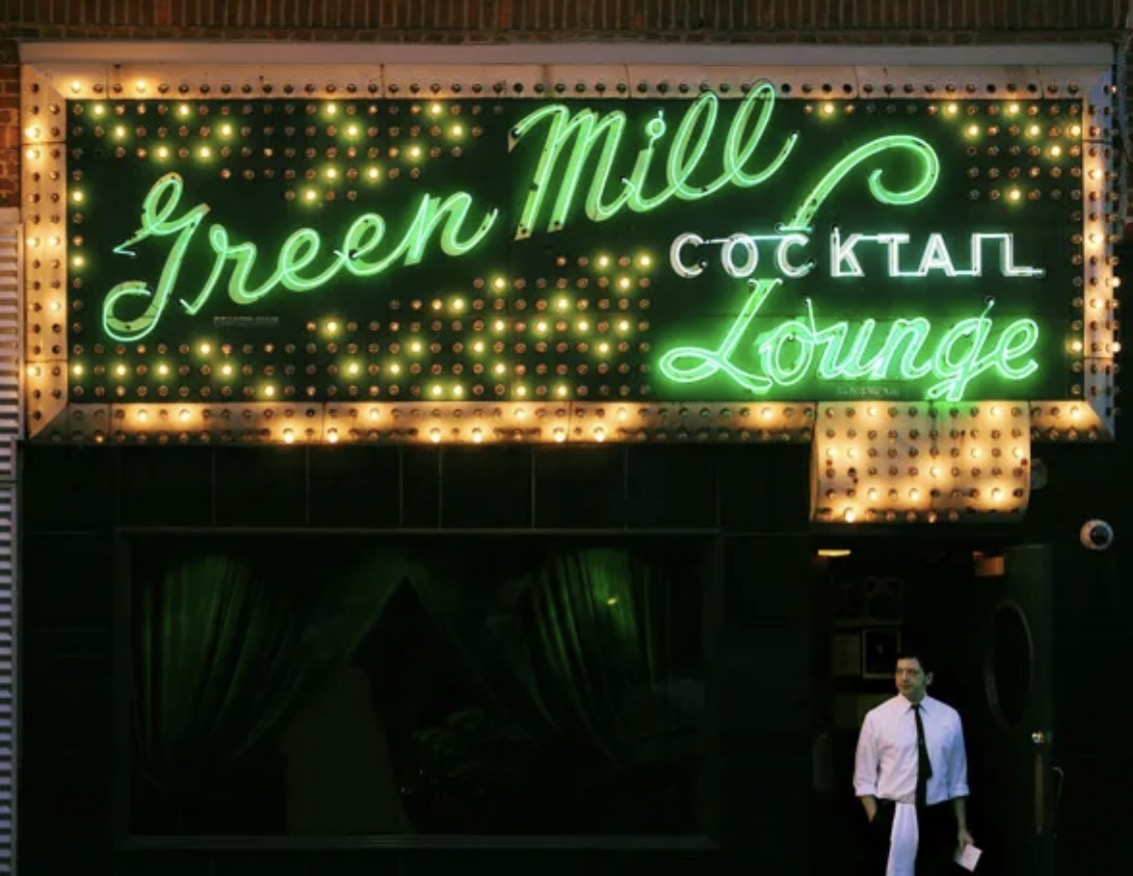
The Lexington Hotel's absence from this movie is the real story. It was a genuine Chicago landmark — on the National Register of Historic Places, the actual site of Capone's headquarters during his years running the Outfit, and the building that drew a live national TV audience in 1986 for a vault search that found nothing. None of that saved it. It was demolished in 1995, eight years after a movie about the man who lived there was shot entirely somewhere else. If you want the Chicago mob history this movie is actually drawing on, rather than the version built on a studio's schedule and insurance requirements, our Green Mill field guide covers the same era from a different, still-standing building — and debunks one of the most repeated Capone stories in the city along the way.
The Completionist Checklist
For anyone mapping out an Untouchables day downtown: Union Station's Great Hall staircase, Roosevelt University (the Lexington's exterior and, most likely, its lobby), the Blackstone Hotel a few blocks south, the Chicago Cultural Center (doing quadruple duty as a press conference, an opera house, a courthouse, and a rooftop), the Michigan Avenue Bridge, and — with the caveat above — the Chicago Theatre. Six confidently-sourced stops, standing in for a city that, eighty-some years after Capone, mostly looks the same from the sidewalk.
That's the real tour. A famous staircase that's actually an homage to a different famous staircase, a hotel that's really three hotels, and the one real address that never got a single frame of film.
Get more from The Scoop
One email a week: the next field guide, Gem of the Week, and the specials worth planning around. No spam, just the good stuff.